
Study In Germany.
Germany Is One Of The World’s Leading Destinations For Tuition-Free, High-Quality Higher Education. Discover Why Choosing Germany Can Shape Your Global Academic And Career Future.
Guide For Study Abroad In Germany
Whether you want to learn about the education system in Germany or discover what student life in Germany is like, we will cover all the essential topics to give you a complete understanding of studying in Germany.

Why Study In Germany?

Germany
is one of the premier destinations for international students, drawing hundreds of thousands of new scholars annually. Recently, Germany has reached a new milestone by hosting over 420,000 international students and doctoral researchers from around the globe, solidifying its position as one of the world’s leading study-abroad destinations.
Academic Excellence
German university degrees are globally respected and recognized under the European Bologna Process, matching the highest academic standards of the United States, the United Kingdom, and Australia. Germany attracts top international faculty and researchers thanks to its massive investment in cutting-edge research and innovation across engineering, automotive technology, artificial intelligence, information technology, and pharmaceuticals.

Affordibillity
Studying in Germany is among the most cost-effective options in the world for international students. Most public universities in Germany charge zero tuition fees, requiring only a nominal semester contribution of around €150 to €350 (which typically includes a local public transport pass). Overall living costs are also significantly lower than in the United States, the United Kingdom, Canada, or Australia, averaging around €950 to €1,000 per month.
Safety
Safety is an important factor for both students and parents who are considering international education destinations. Germany is among the safest and most politically stable countries in the world, featuring low crime rates, reliable public infrastructure, and strong legal protections.

Culture
Germany is a welcoming and cosmopolitan country that embraces diversity and celebrates international exchange. With hundreds of thousands of international students from around the world, German universities and cities foster an open, multicultural community where students from every background feel at home.

Work While Study
The option to work while studying is a major advantage for prospective international students choosing Germany. Non-EU students enrolled full-time at a state-recognized German university are legally permitted to work up to 140 full days or 280 half days per year allowing up to 20 hours per week during lecture periods and full-time work during semester breaks.

Life In Canada
Germany consistently ranks among the top countries in the world for Quality of Life and places within the global top 10 on the UN Human Development Index (HDI), which evaluates a long and healthy life, access to quality education, and a high standard of living.

Immigration
Germany offers clear immigration pathways designed to help international students gain valuable European work experience after graduation and transition to permanent residency and citizenship. Graduates from a recognized German university can apply for an 18-month Job Seeker Residence Permit to secure employment in their field. Once employed, graduates benefit from a fast-track route to permanent residency (Niederlassungserlaubnis) after just two years of qualified work, and later full German citizenship.
Post Secondary Education System

Germany
is an increasingly popular choice for international higher education. International students now account for roughly 15% of total university enrollments across the country, with over 100,000 new international students starting their studies in Germany each academic year.
Germany is home to some of the world’s best and most affordable higher education institutions, with most public universities offering tuition-free education. How can students decide which educational pathway is right for them when there are so many diverse academic and practice-oriented study options available for domestic and international students alike?In this section, we’ll break down Germany’s higher education and post-secondary study options.

Bachelor's Degree
(Undergraduate)
Bachelor’s degrees in Germany are typically awarded after three years (six semesters) of full-time study. Some Universities of Applied Sciences (Fachhochschulen) also offer three-and-a-half or four-year Bachelor’s programs that include a mandatory practical internship semester, whereas two-year Associate degrees are not part of the German system.

Master's Degree
(Postgraduate)
Master’s degrees in Germany are available after completing a Bachelor’s degree for deeper academic or professional specialization, typically lasting two years (four semesters). Programs include consecutive research-oriented degrees as well as applied or executive programs like an MBA, nearly all concluding with a formal Master’s thesis.
One of the best advantages of studying in Germany is the flexibility and variety of its higher education system.
Multiple academic and practical pathways open up after students complete their secondary education or preparatory foundation courses (Studienkolleg). Students can choose from research-focused universities (Universitäten), practice-oriented Universities of Applied Sciences (Fachhochschulen), or dual study programs (Duales Studium) to match their interests, career goals, and learning preferences. This gives them a tailored education that supports their long-term success.
Pathway Programs
Pathway programs bridge the gap between the qualifications a student has earned in their home country and the academic requirements needed to enter a German higher education institution.
Both German language courses and academic foundation programs (Studienkolleg) are available for international students.
German Language Courses
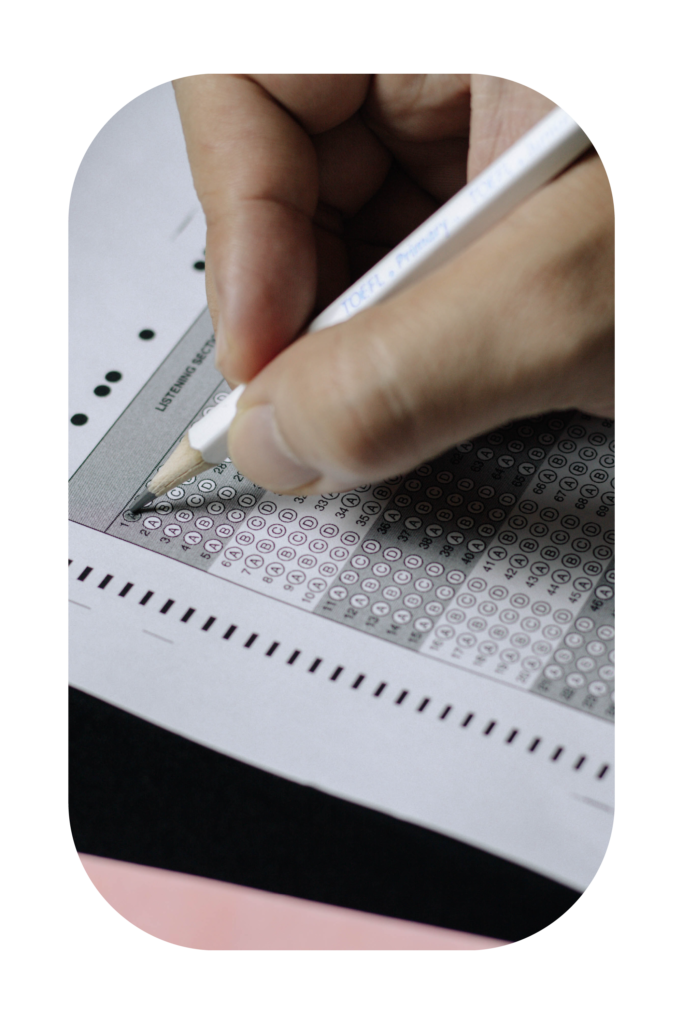
German language programs are one of the most popular pathway options pursued by international students planning to study in Germany. Preparatory courses are designed to build proficiency for recognized exams like TestDaF or DSH, helping students satisfy the language requirements for admission into their desired university program. These programs also feature social activities and events that help students become accustomed to German culture and transition smoothly into daily life in Germany.

Academic Pathways
Academic pathway programs in Germany—primarily offered through Studienkolleg foundation courses—focus on subject-specific tracks in engineering, sciences, business, medicine, and humanities. These preparatory courses strengthen a student’s academic background so they can pass the Feststellungsprüfung assessment exam and meet admission requirements for German undergraduate and graduate programs.
Financial Cost & Work Options

When weighing
When weighing the financial costs of studying in Germany, tuition fees and semester contributions are the first expenses a student should consider. Unlike many study destinations, most public universities in Germany charge zero tuition fees for international students, requiring only a nominal semester contribution of roughly €150 to €350. Overall costs depend on the institution type, federal state, and specific program.
Keep in mind that fee policies vary between public and private institutions, as well as certain federal states. Always check the university or program pages for current fee details.

Cost Of Living
It’s important that students understand how much money they’ll need to live in Germany—averaging around €950 to €1,000 per month—and plan accordingly. Living costs include housing, food, utilities, internet, clothing, study materials such as books, entertainment, transportation, laundry, mandatory health insurance, and other miscellaneous items essential to daily comfortable living.
Costs will vary depending on where the student decides to live. Expenses are higher in major cities like Munich or Frankfurt and noticeably lower in smaller university cities like Leipzig or Dresden.
It’s important to create a student budget before moving to Germany. Budgeting doesn’t have to be complicated. Students should first figure out how much money is needed for semester contributions and books. Then, they can decide whether they’d like to live in a student dormitory or a private shared apartment, and prioritize certain costs based on this choice. For example, food may cost less when cooking in a shared flat, while internet and utility bills will have to be factored into the budget. Personal preferences should also be factored into a student budget to ensure comfort and enjoyment during the academic year.
For example, suppose a student loves a certain food from their home country that can only be found in specialty or international grocery stores in Germany. In that case, students may want to allocate more money to their monthly grocery bill and take a closer look at other expenses to determine what costs could be cut down.

Working While Study
One of the greatest benefits of studying in Germany as an international student is the opportunity to work while studying. Non-EU students can work up to 140 full days or 280 half days per year, gaining valuable European work experience that often leads to full-time employment after graduation.
Students who work while studying when they are not eligible risk losing their residence permit and may have to leave Germany. Similarly, students who are eligible to work but do not adhere to the permitted working-day or hour limits also risk losing their residence permit and may have to leave.
Eligibility criteria are subject to change over time, so international students should always check the official German Federal Foreign Office (Auswärtiges Amt) or Make it in Germany portal for the most recent regulations on working while studying.
On Campus Employment
Working on-campus as an international student is an excellent opportunity to become more familiar with your university’s academic and student community.
Specific opportunities depend on the institution, but most German universities offer on-campus roles—commonly known as Studentische Hilfskraft (HiWi)—in the library, IT support, administration, campus dining (Mensa), or as a student tutor.
Many Master’s and doctoral students are also hired as Teaching or Research Assistants (Wissenschaftliche Hilfskräfte). In Germany, academic assistant roles at a university or affiliated research institute are generally exempt from the annual 140-day work limit, allowing students to gain valuable experience in labs, libraries, or university hospitals.
Off Campus
Employment
Working off-campus gives students the opportunity to become more familiar with the German city or town they live in and gain European work experience that often leads to full-time employment after graduation.
An international student in Germany can work off-campus as a working student (Werkstudent), complete an internship (Praktikum), or take on part-time roles with private companies, startups, or local businesses.
Non-EU students can work up to 140 full days or 280 half days per year—and may only exceed 20 hours per week during official semester breaks. Since some employers may be unfamiliar with these rules, students should clarify their residence permit (Aufenthaltstitel) conditions beforehand to work off-campus worry-free.

Postgraduate Work Permit
Germany’s Post-Study Job Seeker Residence Permit allows international students who have graduated from a recognized German university to stay in the country and gain professional work experience in their field.
The European work experience and income international graduates gain during this period help them build their careers and earn a strong return on their education investment. This qualified work experience also puts graduates on a fast track to permanent residency in Germany.
Regardless of whether you complete a Bachelor’s, Master’s, or doctoral degree, Germany grants a standard 18-month Job Seeker Residence Permit with unrestricted work rights while you search for a role.
Once you secure a qualified job offer, you can transition to a German Work Permit or EU Blue Card and qualify for permanent residency (Niederlassungserlaubnis) after just two years.